Archives
- 2018-07
- 2018-10
- 2018-11
- 2019-04
- 2019-05
- 2019-06
- 2019-07
- 2019-08
- 2019-09
- 2019-10
- 2019-11
- 2019-12
- 2020-01
- 2020-02
- 2020-03
- 2020-04
- 2020-05
- 2020-06
- 2020-07
- 2020-08
- 2020-09
- 2020-10
- 2020-11
- 2020-12
- 2021-01
- 2021-02
- 2021-03
- 2021-04
- 2021-05
- 2021-06
- 2021-07
- 2021-08
- 2021-09
- 2021-10
- 2021-11
- 2021-12
- 2022-01
- 2022-02
- 2022-03
- 2022-04
- 2022-05
- 2022-06
- 2022-07
- 2022-08
- 2022-09
- 2022-10
- 2022-11
- 2022-12
- 2023-01
- 2023-02
- 2023-03
- 2023-04
- 2023-05
- 2023-06
- 2023-07
- 2023-08
- 2023-09
- 2023-10
- 2023-11
- 2023-12
- 2024-01
- 2024-02
- 2024-03
- 2024-04
-
The specific mechanisms underlying glutamine dependency are
2024-04-09
The specific mechanisms underlying glutamine dependency are still being explored, and current research indicates that the mechanisms likely vary between breast cancer subtypes. In HER2-positive breast cancer, increased levels of the transcriptional activator PGC-1α lead to expression of genes that m
-
Protein blast analysis of the sequence of
2024-04-09
Protein blast analysis of the sequence of globin-B with those of other Medroxyprogesterone mg suggests that the globin-B domain in the HemAC-Lm displays only 6% identity and 34% similarity with that of cytoglobin/neuroglobin (Fig. 2). Furthermore, SWISS-MODEL protein modeling also predicts that the
-
The UV vis and fluorescence spectra have
2024-04-09
The UV–vis and fluorescence spectra have been used to study the interaction between small chemical molecules and biomolecules (Punith and Seetharamappa, 2012). The UV CH5138303 peak of the protein changes with the microenvironment of the chromophore. That is, the peaks may show a certain degree of
-
The extent to which GPCR oligomerization is a regulated
2024-04-09
The extent to which GPCR oligomerization is a regulated process still remains unclear. Reported effects of ligands on both GPCR homo- and heteromers are highly variable and depend on GPCR subtypes and the specific ligand used. According to our data, chronic treatment of mice with both paroxetine or
-
Skeletal pain associated with bone fracture is
2024-04-09
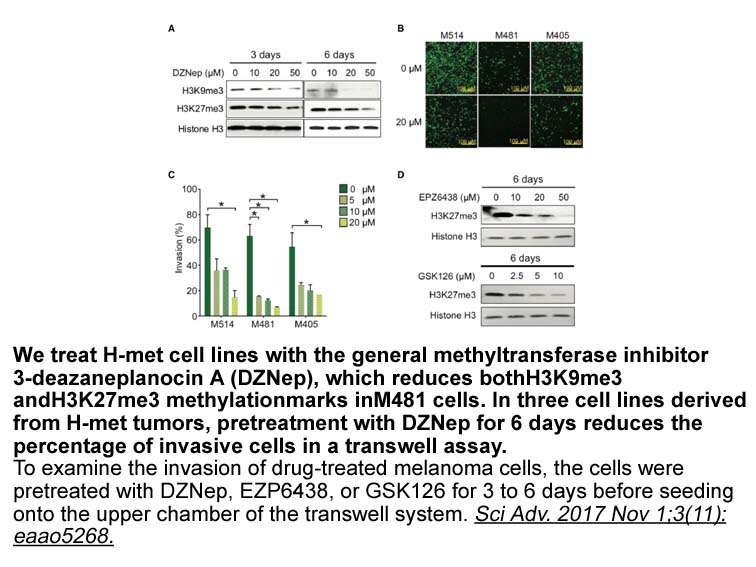
Skeletal pain associated with bone fracture is another area of critical need for a novel pain medication. NSAIDs and opiates are the two major therapies currently used to manage bone fracture pain. However, both of these therapies lead to significant unwanted side effects. Using the osteotomy model
-
The original Aurora kinase was
2024-04-09
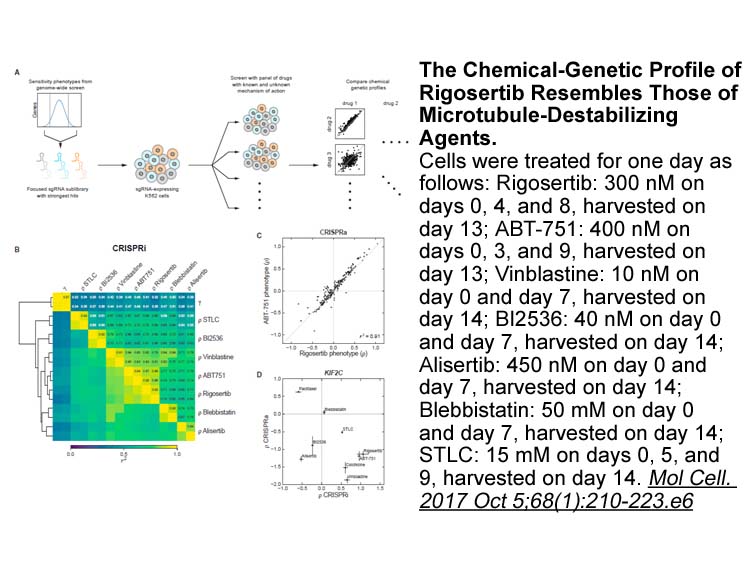
The original Aurora kinase was identified during a phenotypic screen for defects in mitotic spindles in Drosophila mutants. Aurora mutants were so named because of the morphological defects at the mitotic spindle resembling the Aurora borealis, or the Northern light [4]. The structure of the Auroras
-
Because of the formation of phosphoenzyme intermediates the
2024-04-09
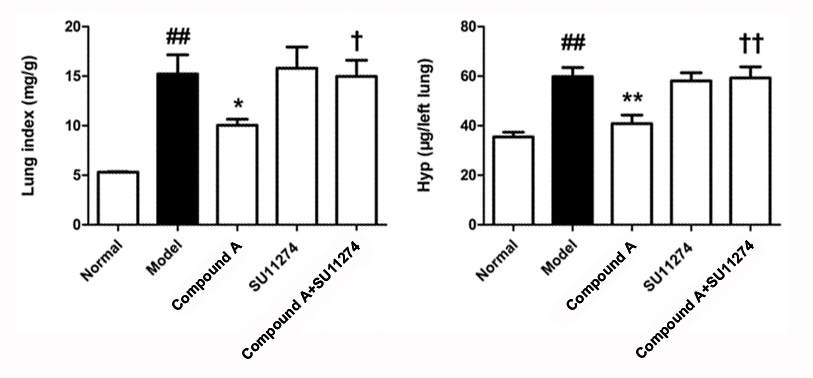
Because of the formation of phosphoenzyme intermediates, the enzymatic SAR405838 of P-ATPases can be divided into steps that include a kinase activity, by which an aspartate residue on the enzyme is phosphorylated, and a phosphatase activity, by which the phosphoenzyme is dephosphorylated. Another
-
Two parallel branches of the DNA damage dependent S phase
2024-04-09
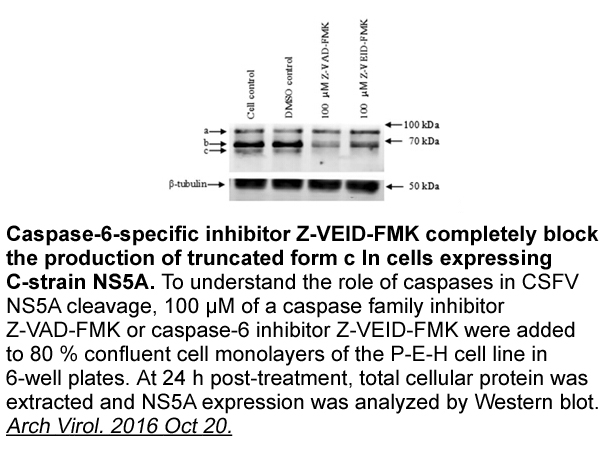
Two parallel branches of the DNA damage-dependent S-phase checkpoint are thought to co-operate by inhibiting distinct steps of DNA replication. One branch includes the phosphorylation of structural maintenance of chromosomes 1 (SMC1), a cohesin that is activated by ATM or ATR after IR treatment or r
-
Another factor that is involved in the severity of EAE
2024-04-09
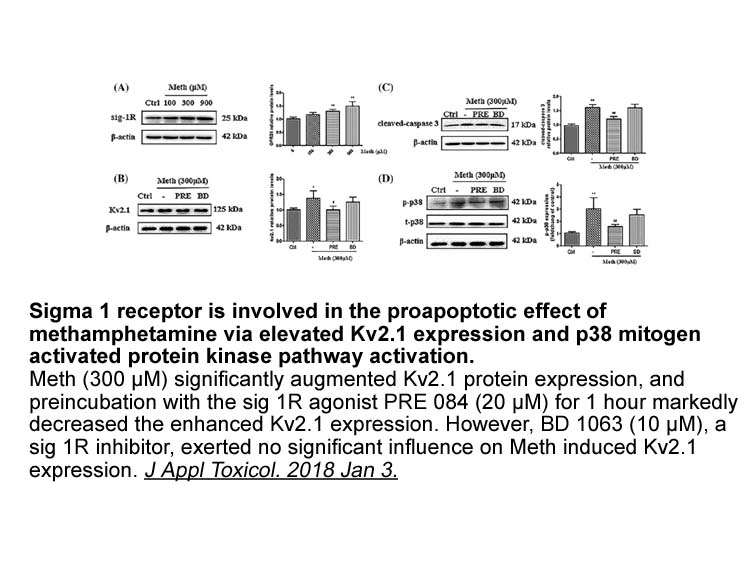
Another factor that is involved in the severity of EAE is apoptosis signal-regulating kinase 1 (ASK1), which is one of a growing number of mitogen-activated protein kinase (MAPK) kinase kinases identified in the upstream of the c-Jun N-terminal kinase and p38 MAPK pathways [12]. We previously report
-
Because R gene is positively regulated by T
2024-04-09
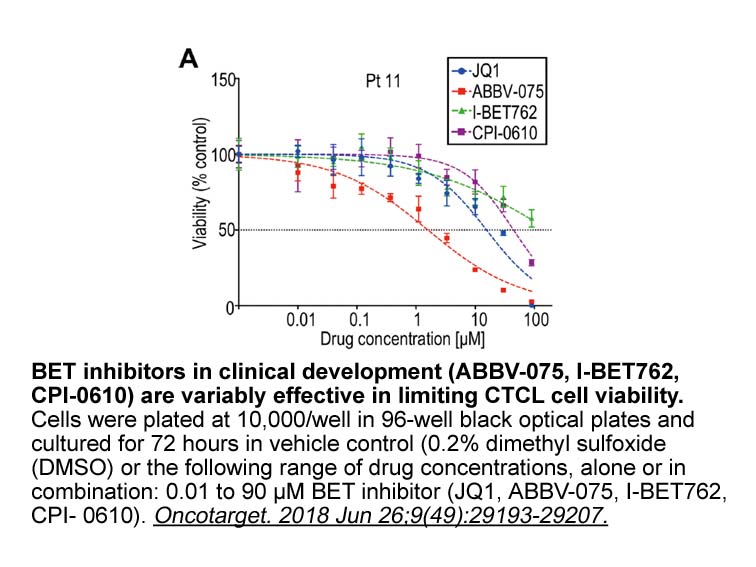
Because 5α-R2 gene is positively regulated by T and in the prostate gland (Torres et al., 2003), and our BPA-treated rats showed decreased circulating T and probably intraprostatic androgen levels, it might be responsible for the decrease of 5α-R2 expression. However, in a previous work using castra
-
We also explored the possibility
2024-04-08
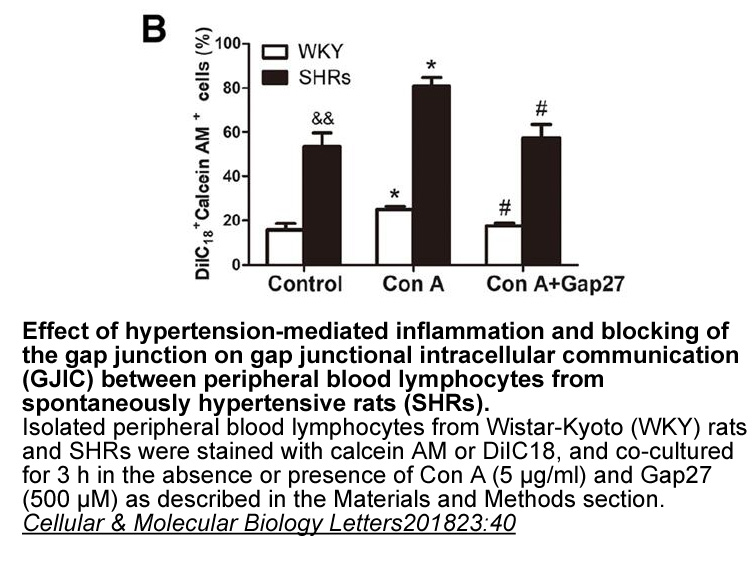
We also explored the possibility that this PKC-θ activating protein could operate on the auto-phosphorylation process of the kinase, a specific event accompanying PKC activation [32]. The heated PKC-θ immunoprecipitate from metaphasic cells was then added to PKC-θ isolated both from interphasic or m
-
br Androgen interference with the action of arachidonic
2024-04-08
Androgen interference with the action of arachidonic Ramipril metabolites’ actions; the other side of the coin Arachidonic acid, being a polyunsaturated fatty acid present in the phospholipids of the membrane of cells, is highly abundant within the organism. It is mainly involved in cellular sig
-
br Introduction Nonalcoholic fatty liver disease NAFLD is a
2024-04-08
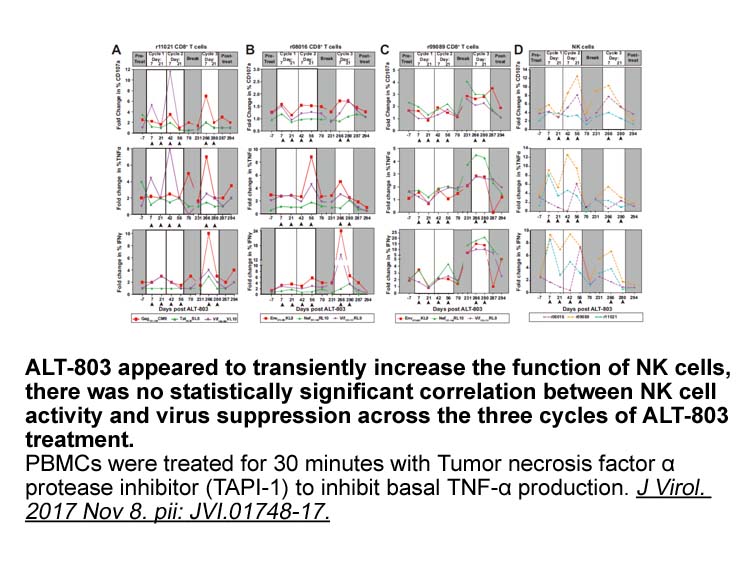
Introduction Nonalcoholic fatty liver disease (NAFLD) is a clinicopathologic spectrum of liver pathologies associated with excessive accumulation of fat in the liver. This spectrum is continuous but can be graded based on pathological features; in increasing severity, these are: bland steatosis,
-
Nrf br AhR br Nrf and AhR friends or
2024-04-08
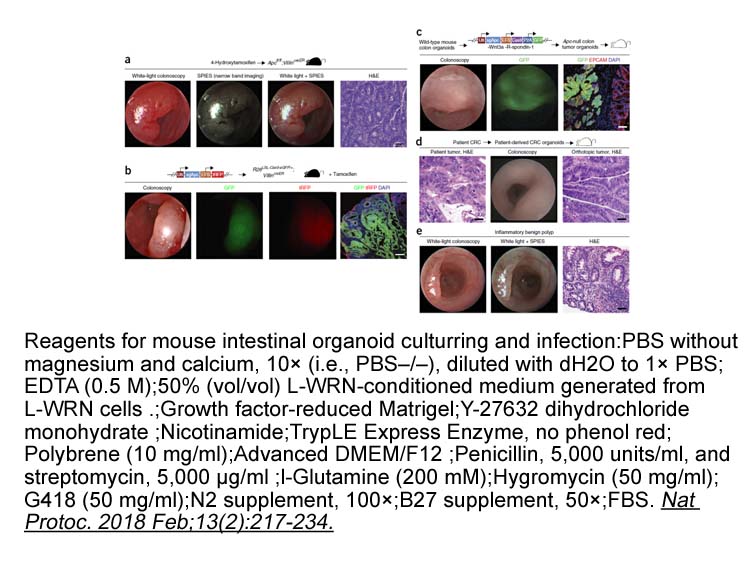
Nrf2 AhR Nrf2 and AhR: friends or foes for energetic metabolism? Perspectives in carcinogenesis upon xenobiotic exposure Acknowledgements Introduction Integration of endogenous and exogenous signals via appropriate receptors is at the core of biological differentiation and adaptive
-
Further examination of these vmat IR cells shows
2024-04-08

Further examination of these vmat-IR cells shows that they are also positive for vimentin (vim-IR) (Fig. 3A). However, within any one cell there may be a region of weaker vmat-IR, suggesting sub-cellular localization. As also shown in Fig. 3B and C not all vim-IR cells are vmat-IR suggesting that th
13800 records 8/920 page Previous Next First page 上5页 678910 下5页 Last page